

Abu Dhabi Pushes Ahead with Landmark Waste-to-SAF Project Aimed at Converting 500,000 Tons of Waste a Year
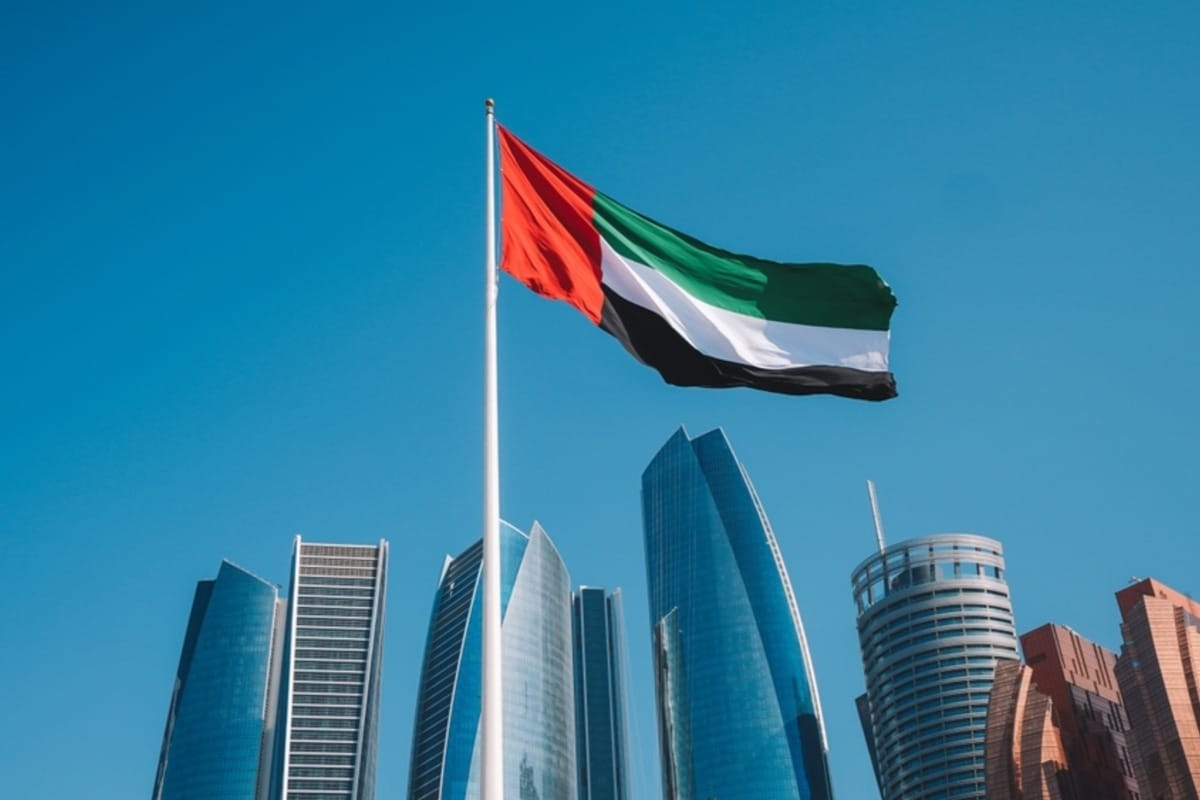
Abu Dhabi has moved a major step closer to becoming a regional hub for low-carbon jet fuel, as Masdar and Tadweer Group advance plans to build the emirate’s first commercial-scale waste-to-sustainable aviation fuel (SAF) plant. The project, backed by a recently signed Joint Development Agreement, is designed to convert half a million tons of waste and biomass every year into SAF- one of the most ambitious waste-to-fuel concepts in the Middle East.
Turning Waste Into Jet Fuel
The plant will use a hybrid production pathway that pairs waste gasification with green hydrogen generated via renewable-powered electrolysis. Together, these streams will be converted into sustainable aviation fuel capable of cutting lifecycle emissions by up to 80% compared with conventional jet fuel.
A feasibility study confirmed the project’s commercial viability, positioning Abu Dhabi to supply SAF to one of the world’s busiest aviation markets at a time when airlines, regulators, and investors are scrambling to secure long-term, low-carbon fuel supplies.
Masdar: Tackling Hard-to-Abate Sectors
Masdar CEO Mohamed Jameel Al Ramahi said the project underscores Masdar’s commitment to bringing innovative decarbonisation solutions to sectors that face some of the steepest emissions barriers.
“This project will advance the UAE’s leadership in sustainable aviation, supporting the growth of a sector critical to the nation’s economic development while driving its decarbonization,” he said. “We look forward to working closely with Tadweer Group to bring this project to fruition and deliver tangible emissions reductions for the UAE and beyond.”
Tadweer: Waste as a Strategic Energy Resource
For Tadweer Group, which oversees Abu Dhabi’s waste management system, the plant aligns directly with its mission to transform waste into economic value and reduce the emirate’s reliance on landfills.
Managing Director and CEO Ali Al Dhaheri said the initiative demonstrates how waste streams can be absorbed into the UAE’s emerging clean-energy economy.
“This agreement marks a pivotal step in unlocking waste as a valuable resource with the potential to be converted to key energy products,” he said. “Together with Masdar, we’re showcasing the potential of waste-derived SAF and contributing to the nation’s Net Zero ambitions.”
Aviation, Climate, and Hydrogen Strategies Converge
The waste-to-SAF plant aligns with nearly every key pillar of the UAE’s decarbonisation policy architecture, including:
- UAE General Policy for SAF
- National Hydrogen Strategy
- Abu Dhabi Low-Carbon Hydrogen Policy
- UAE Net Zero by 2050 Strategic Initiative
Aviation is central to the UAE’s economy -contributing 18% of GDP in 2023 - and global regulators are tightening low-carbon fuel mandates. The project could supply multiple regional markets, strengthening Abu Dhabi’s emerging role as a SAF production and export hub.
The facility also supports Tadweer Group’s goal of diverting 80% of waste from landfills by 2030, opening new value chains across waste valorisation, green hydrogen, and renewable fuels.
Why Executives and Investors Are Watching
For airlines: the project provides long-term visibility into SAF supply in a region where demand is set to surge.
For financiers: it creates one of the most promising integrated waste-to-hydrogen-to-fuel pathways in the Gulf.
For policymakers: it ties together waste-sector reform, clean-energy diversification, and compliance with global aviation decarbonisation frameworks.
A Regional Project With Global Implications
Abu Dhabi’s waste-to-SAF initiative stands out for its integration of three strategic pillars- waste management, green hydrogen, and aviation decarbonisation - at a moment when global demand for certified SAF is accelerating.
By combining Masdar’s renewable energy expertise with Tadweer’s waste resources, the UAE is laying the foundation for a new low-carbon fuel ecosystem that blends climate ambition with economic advantage. If delivered at scale, the project could mark a turning point for sustainable aviation in the Gulf - and push regional SAF deployment faster than many expected.

Comments ()