

Geopolitics Cast Long Shadow Over COP30 as China Surges and Trump Looms
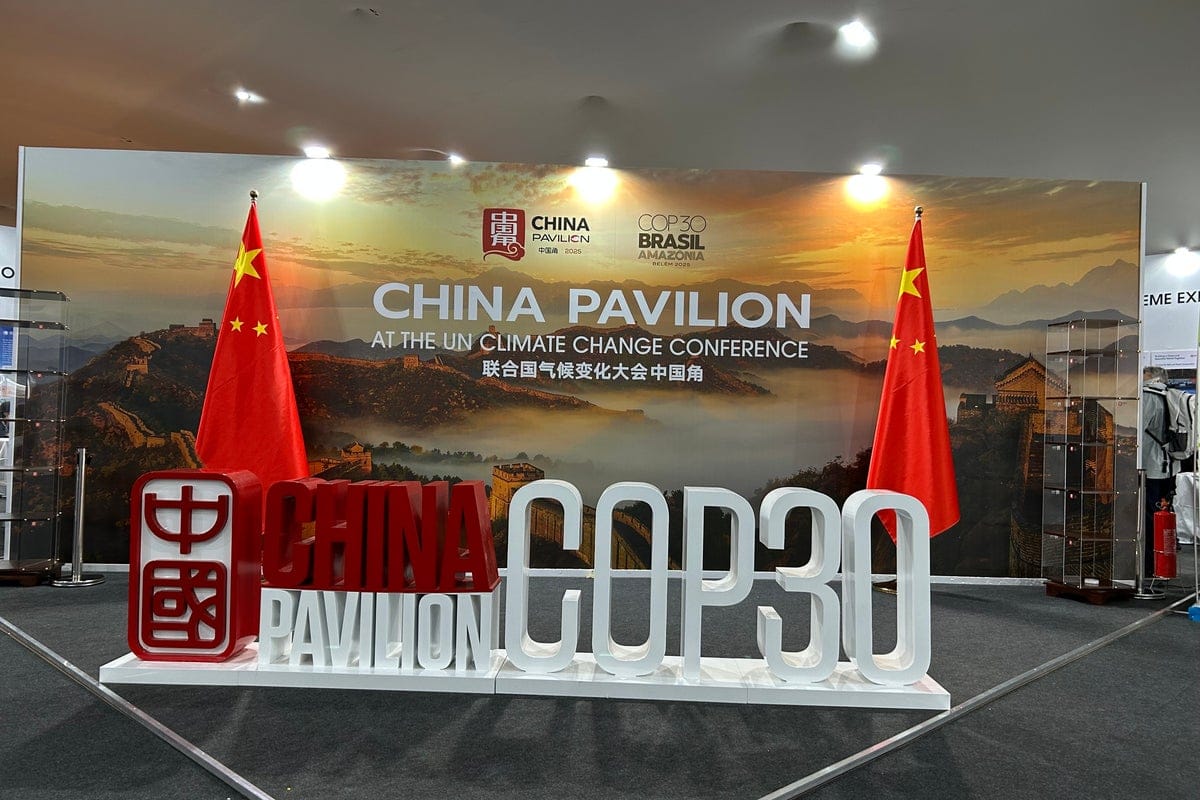
As the world marks a decade since the Paris Agreement, COP30 in Belém, Brazil is unfolding amid deep geopolitical tensions, with China’s clean‑energy rise and Trump’s climate stance at the heart of the drama.
Together, China and the U.S. account for roughly 45% of global CO₂ emissions- a reality that underscores their outsized influence over any meaningful climate deal.
While China is aggressively pushing into renewables, electric vehicles and battery exports, it’s also building coal plants at record rates. Its new 2035 emissions plan promises only a modest 7-10% cut and leaves “room to continue fossil fuel use.”
On the other side, the return of Donald Trump is being described by observers as a “wrecking ball” for climate diplomacy. His hardline “drill, baby, drill” agenda and repeated withdrawals from the Paris framework are raising fears of retrenchment just as global cooperation is most needed.
Analysts warn that these geopolitical fault lines - between a rising clean‑energy superpower and a resurgent fossil-fuel backer- could derail progress at COP30.


Comments ()